



Visiting Cusco and Machu Picchu in the Rainy Season: Is It Worth It?
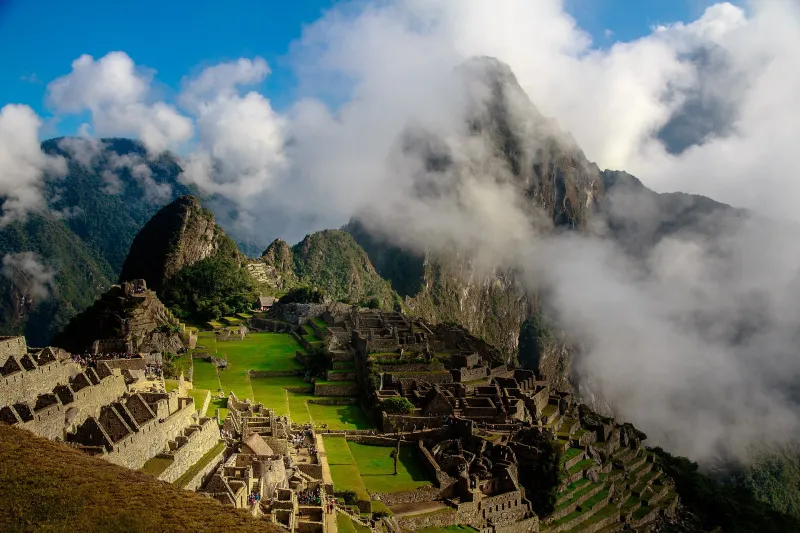
Short answer: yes, it can absolutely be worth it. From November to March you'll find fewer crowds, greener landscapes and more availability, in exchange for some rain, usually in the afternoon. With a flexible plan and a good rain jacket, it's a beautiful time to visit Cusco and Machu Picchu.
- Rainy season: roughly November to March; the wettest months are usually January and February.
- Typical day: drier mornings, showers in the afternoon.
- Machu Picchu: open all year. The classic Inca Trail closes in February.
- Bonus: green mountains, fewer people and easier bookings than in July or August.
What the weather is really like
Cusco has two seasons: dry (about April to October) and rainy (about November to March). In the rainy season, mornings often start clear or cloudy and the rain tends to arrive in the afternoon or evening. Daytime temperatures stay mild, and nights are cool, so layers are your best friend.
Machu Picchu sits lower than Cusco, at the edge of the cloud forest, so it feels warmer and more humid. Clouds come and go quickly over the citadel, and when they lift, the view is pure magic. Many photographers actually prefer it this way.
Pros and cons at a glance
| Pros | Cons |
|---|---|
| Fewer crowds at the main sites | Afternoon showers can change your plans |
| Green, lush landscapes | Some trails get muddy |
| Easier to find tickets, trains and hotels | Inca Trail closed in February |
| Holidays like Christmas and Carnival | Mountain views can be hidden by clouds |
Which tours work best (and which are trickier)
Great choices: the Cusco city tour, the Sacred Valley, Maras and Moray, and Machu Picchu by train. Our Classic Cusco in 4 days (from US$420) is a solid plan: it combines the city, the valley and a night in Aguas Calientes so you can reach Machu Picchu early.
Plan with flexibility: high-altitude hikes like Rainbow Mountain or Humantay Lake are still possible, but the weather can be colder and the views more variable. Treks like the Salkantay run with extra care, and the classic Inca Trail is closed every February for maintenance.
What to pack
- A real waterproof jacket (not just a windbreaker) and a backpack rain cover.
- Shoes with good grip; a spare pair of socks in your daypack.
- Layers: a fleece or light down jacket for mornings and nights.
- Sunscreen and sunglasses: at 3,400 m (11,150 ft) the sun is strong even when it's cloudy.
- A dry bag or zip-lock bags for your phone and passport.
Our tips for a smooth trip
- Do outdoor visits in the morning and save museums, markets and cafés for the afternoon.
- Choose an early entry time at Machu Picchu and sleep in Aguas Calientes the night before.
- Leave one free day in your itinerary in case you need to move an excursion.
- Book with a local operator who can adjust plans if a road or trail is affected.
So, should you go?
If you don't mind some rain and you like the idea of quieter sites and green mountains, the rainy season is a great time to travel. Tell us your dates and we'll suggest the best plan for the weather. You can also browse our Machu Picchu tours or a full Classic Cusco in 6 days (from US$455).
Updated November 2026. Machu Picchu opening and the Inca Trail closure follow Peru's Ministry of Culture; check official notices before you travel.
Cover photo: Scott Umstattd scott_umstattd / Wikimedia Commons, CC0
